 English
 -
 Tiếng Việt
 -
한국어
-
中文 (中国)
 Tiếng Việt
 한국어
한국어 中文 (中国)
What are Electroplating Chemicals?
Electroplating chemicals are a collection of chemicals used in electroplating wastewater treatment and the electroplating industry. Depending on the characteristics of the wastewater as well as the input materials, different chemicals will be applied to ensure the required output quality.
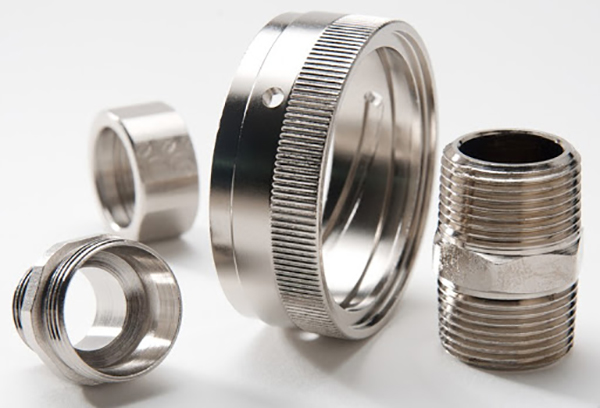
In general, wastewater streams in the electroplating industry can be classified into four groups:
Some chemicals supplied by Vu Hoang for the electroplating industry include:
Advantages of using electroplating chemicalsư
Metal surface treatment methods
To ensure electroplating chemicals firmly adhere to the metal surface, thorough surface treatment must be carried out before plating. The cleaner and smoother the surface, the better and more durable the electroplated finish will be. Currently, three popular metal surface treatment methods are:
This method uses electrochemical cleaning solutions such as alkaline solutions, sodium hydroxide, etc.
Mainly applied to metals such as copper, stainless steel, and alloys. In this method, metals are processed in viscous solutions mixed with strong acids. The higher the viscosity, the smoother and shinier the surface becomes.
Commonly applied to metals such as zinc, tin, and aluminum. The metals are immersed directly in chromate or phosphate solutions to form an oxide layer on the surface.