 English
 -
 Tiếng Việt
 -
한국어
-
中文 (中国)
 Tiếng Việt
 한국어
한국어 中文 (中国)
Each food industry has its own specific types of soil, requiring customized cleaning cycles and chemical selection.
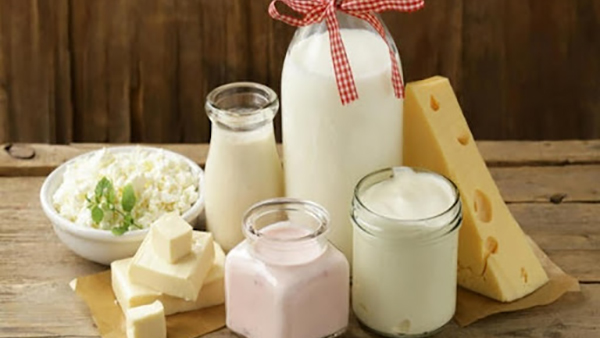
Dairy and Protein Processing Industry (Dairy)
Characteristic soils in the dairy industry include milk proteins (easily denatured at high temperature or low pH), fats, and milk stone.
The chemical strategy requires the use of hot alkali (Sodium Hydroxide) to completely hydrolyze proteins and saponify fats. Then, periodic acid washes (commonly Nitric Acid or Phosphoric Acid) are introduced to remove milk stone and mineral deposits.
A more complex issue arises in the production of acidified dairy products (acidified milk drinks), such as drinking yogurt or fruit milk, where pH is reduced below 4.2. At low pH, milk proteins denature rapidly, creating soils that are more difficult to remove. This denaturation exposes hydrophobic groups, reducing solubility and increasing adhesion. Therefore, the CIP process for acidified milk requires alkaline formulations with stronger surfactants and chelating agents to ensure complete removal of these thermally and acid-denatured protein films.
Brewing Industry (Beer)
Main soils are yeast and beer stone (Calcium Oxalate).
CIP technology is the backbone of a brewery. CIP chemicals must include special components: metal corrosion inhibitors, complexing agents to soften and stabilize source water, and anti-foaming agents during the CIP process.
Due to the nature of calcium oxalate, industry experts recommend breweries to conduct acid wash cycles more frequently than the dairy industry. This is to counteract the rapid accumulation of beer stone, especially in fermentation tanks, aging tanks, and heat exchanger pipelines, preventing the growth of harmful microorganisms.
Beverage and Juice Industry
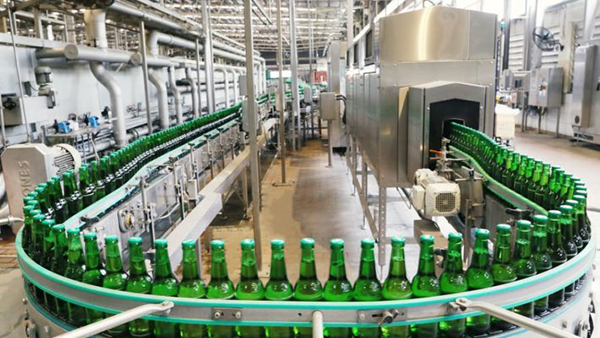
Beverage plants (including carbonated soft drinks and fruit juices) face high sugar loads (leading to yeast and mold growth), scaling from water hardness, and residues of organic acids (such as Citric Acid, Malic Acid).
The hygiene strategy mainly focuses on controlling microorganisms in the bottling environment. PAA (Peracetic Acid) is preferred for disinfecting filling systems, especially in aseptic or ultra-clean bottling processes. PAA can eliminate pathogens and other microorganisms without negatively affecting equipment, products, packaging, or consumer health.

Common Cleaning Chemicals Used in the Food Industry
| Characteristics | Alkaline Chemicals | Acid Chemicals |
|---|---|---|
| Main Active Ingredients | Sodium Hydroxide (NaOH), Potassium Hydroxide (KOH) | Nitric Acid, Phosphoric Acid, Citric Acid |
| Target Soils | Fats, Proteins, Starch, Sugars (Biofilms) | Inorganic deposits, Mineral scale, Milk Stone, Beer Stone |
| Mode of Action | Saponification, Protein Hydrolysis | Mineral Dissolution, Chelation |
Vu Hoang is a reputable supplier of cleaning and hygiene chemicals for the food industry.
With long-standing experience in providing chemicals for hygiene and cleaning in the food industry, Vu Hoang is committed to delivering the best services and the highest quality products.
Cleaning chemical solutions in the food industry depend on raw materials, production processes, and output quality. For detailed support, please contact Vu Hoang for expert consultation.